BRITT BLUE
For decades, dating was seen as a natural step toward building long-term relationships
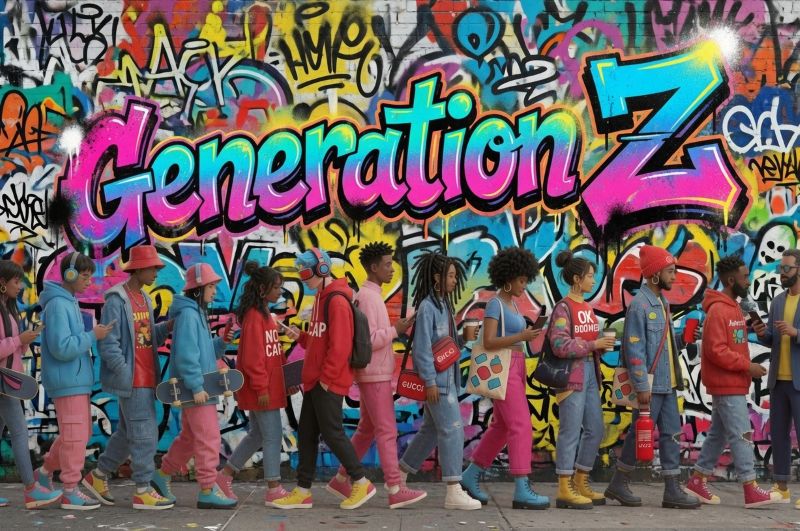
Today, however, many members of Generation Z are approaching romance differently. Research suggests that teenagers and young adults are dating less frequently than previous generations, replacing traditional relationships with more casual and undefined connections often referred to as situationships.
Experts believe several social and cultural changes are driving this shift. One major factor is the growing acceptance of being single. Unlike past generations, young adults today face far less social pressure to be in a romantic relationship. As a result, many feel comfortable focusing on education, careers, friendships, and personal development instead of actively seeking a partner.
Another important influence is the fear of emotional vulnerability. Clinical psychologists note that while digital communication makes it easier to connect with others, it can also make face-to-face conversations and emotional risks feel more intimidating. Many young people worry about rejection or disappointment, leading them to avoid clearly defining relationships or expressing their feelings openly.
The rise of the situationship reflects this changing mindset. These relationships often involve emotional or physical intimacy without the commitment or expectations traditionally associated with dating. For some, situationships offer flexibility and reduced pressure. For others, they can create uncertainty about the future of the relationship and make communication more complicated.
College students themselves describe a generation with different priorities than those of previous decades. Academic achievement, financial stability, mental health, and self-discovery often take precedence over pursuing romantic relationships. Many believe that waiting until they feel more established personally and professionally leads to healthier relationships later in life.

The Atlantic – The People Who Quit Dating by Faith Hill (2024)
The People Who Quit Dating
This article explores why many young adults are opting out of traditional dating.
Archive.ph
KERA Think – Are Teens Afraid of Dating? (Interview with Faith Hill)
Are Teens Afraid of Dating?
The interview discusses why Gen Z teens date less, the rise of situationships, and changing attitudes toward relationships.
Think-Kera
Survey Center on American Life (data cited in many articles)
The research found that only 56% of Gen Z adults reported having had a romantic relationship during their teen years, compared with 69% of Millennials, 76% of Gen X, and 78% of Baby Boomers.
Think-Kera
The Wall Street Journal – Fed Up With Situationships, Gen Z Is Ready to Commit
Fed Up With Situationships, Gen Z Is Ready to Commit
This article examines why many Gen Z adults are becoming dissatisfied with undefined relationships and are seeking more intentional dating.
The Wall Street Journal